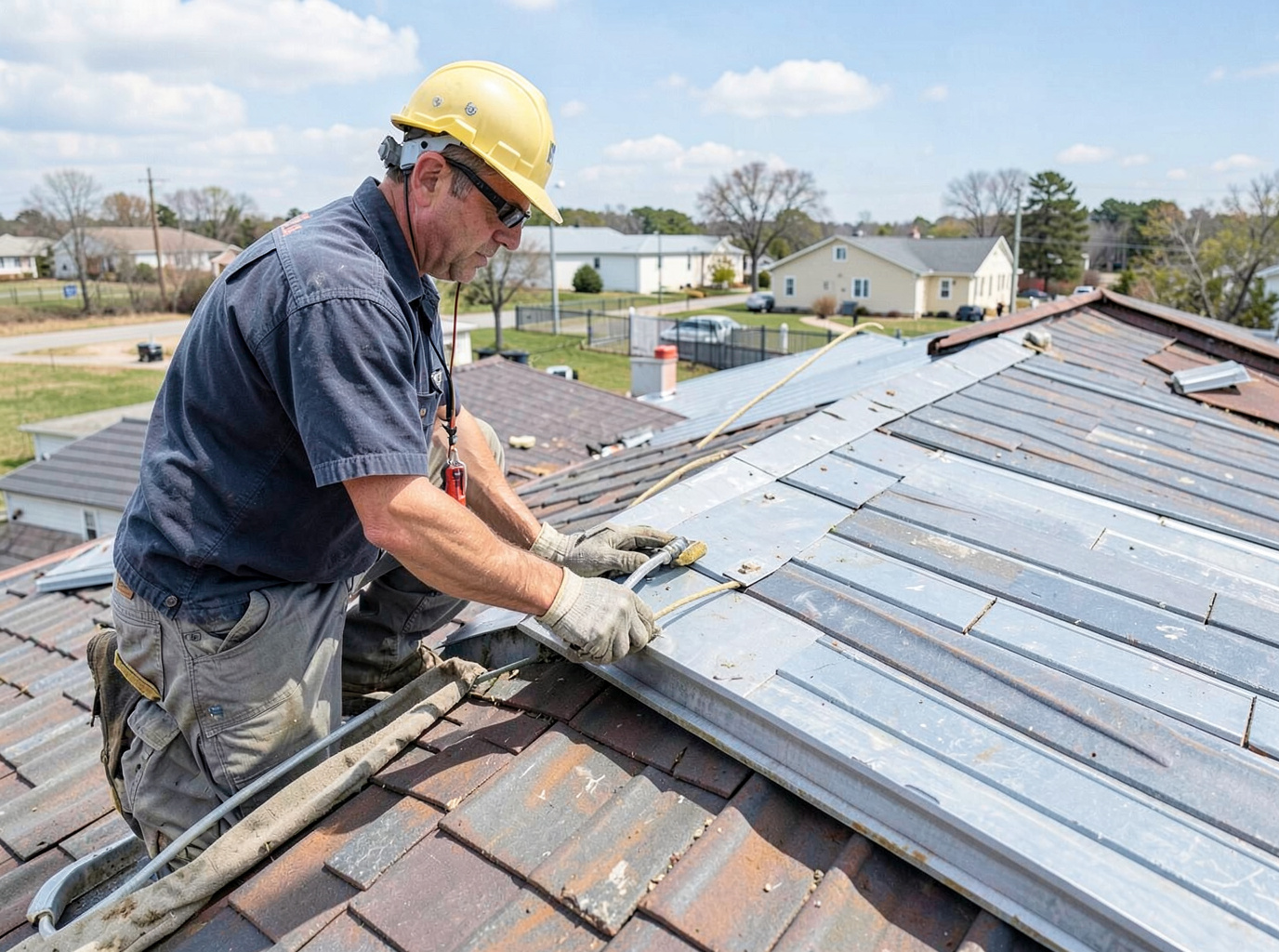
Grand Island homes in Hall County often feature older wood-frame construction from the mid-20th century, especially in Downtown and Northwest Grand Island neighborhoods. These roofs frequently need full tear-offs before new installation because multiple layers of asphalt shingles trap moisture against decking. Thunderstorms and occasional tornadoes demand wind-rated underlayment and impact-resistant shingles rated for at least 130 mph, while extreme summer heat requires proper ventilation to prevent blistering. Nearby cities like Lincoln and Omaha see similar conditions, but Grand Island's open terrain allows stronger winds that can lift improperly fastened edges.
Installation crews here pay close attention to ice dam prevention during cold winters by adding self-adhering membrane along eaves and valleys. Flat sections on commercial buildings near Grand Island Regional Airport require modified bitumen or TPO membranes with proper slope to handle heavy rain. Homeowners replacing roofs after hail or wind events must meet current Hall County wind-load requirements, which affect fastener patterns and ridge vent selection. Proper flashing around chimneys and skylights prevents the leaks that commonly appear after the first freeze-thaw cycle.
Choosing the right underlayment and ridge ventilation matters more than most people realize when summers push past 95 degrees and winters drop below zero. Metal panels installed over existing shingles in rural Hall County properties can reduce attic temperatures but require careful thermal expansion detailing at seams. Local crews always inspect decking for rot caused by previous poor ventilation before laying new materials.
Technician insight
In Grand Island the thing that catches most people out with roofing installation is skipping the ice-and-water shield along the full eaves. Our cold winters and sudden spring thaws create ice dams on older homes in Northwest Grand Island that standard felt never stops.
Downtown Grand Island Wind Damage Replacement
A 1960s home near Stuhr Museum lost shingles during a spring thunderstorm. We found rotted decking from poor prior ventilation and missing step flashing. Full tear-off, new synthetic underlayment, and 130 mph shingles were installed with reinforced ridge venting. The roof now handles Hall County winds without edge lift.
Roofing Installation Services We Offer
✓Asphalt Shingle Installation
Full tear-off and replacement using wind-rated architectural shingles suited to Hall County thunderstorm exposure.
✓Metal Roofing Installation
Standing seam and screw-down metal systems installed over older homes in Northwest Grand Island for better hail and wind performance.
✓Membrane Flat Roof Installation
TPO and modified bitumen systems applied to commercial and low-slope residential structures near Grand Island Regional Airport.
✓Slate and Tile Roofing Installation
Premium slate and concrete tile roofs installed on historic properties around the Stuhr Museum area with reinforced underlayment.
✓Storm-Resistant Roofing Installation
Impact-rated shingles and reinforced fastening patterns for homes facing frequent severe weather in Downtown Grand Island.
✓Ventilation and Ridge Installation
Ridge vent and intake upgrades added during new roofing to manage summer heat buildup common across Hall County.
Roofing Installation Cost in Grand Island, NE
| Service | Typical Range | What Affects It |
|---|---|---|
| Asphalt Shingle Roof (typical 1,800 sq ft home) | $6,500–$9,800 | Price rises with full tear-off, steep pitch, or multiple layers. |
| Metal Panel Installation | $9,200–$14,500 | Higher for standing seam and when adding insulation board. |
| Flat Roof Membrane (commercial or addition) | $4,800–$8,200 | Varies by square footage and membrane type. |
| Ridge Vent Upgrade During Installation | $650–$1,100 | Depends on linear feet and existing ventilation. |
Ranges are typical for Grand Island, NE and confirmed with an exact written quote before any work starts.
How it works
- 1
Site Assessment
Measure roof, inspect decking condition, and note existing ventilation issues common in older Grand Island homes.
- 2
Material Selection
Recommend wind-rated shingles or metal panels matched to Hall County exposure and local building code.
- 3
Tear-Off And Preparation
Remove old layers, replace damaged decking, and install ice-and-water shield along eaves before new underlayment.
- 4
Installation
Lay new roofing with proper nailing patterns and flashing details around chimneys and valleys.
- 5
Final Inspection
Check ridge ventilation, edge sealing, and overall wind resistance before cleanup.
Pricing
Most Grand Island roofing installations fall in the mid-range for Nebraska because of standard asphalt or metal choices and typical home sizes.