2026-10-17 ·
Hail, Wind, and Winter Roof Damage: A Seasonal Checklist for Grand Island, NE
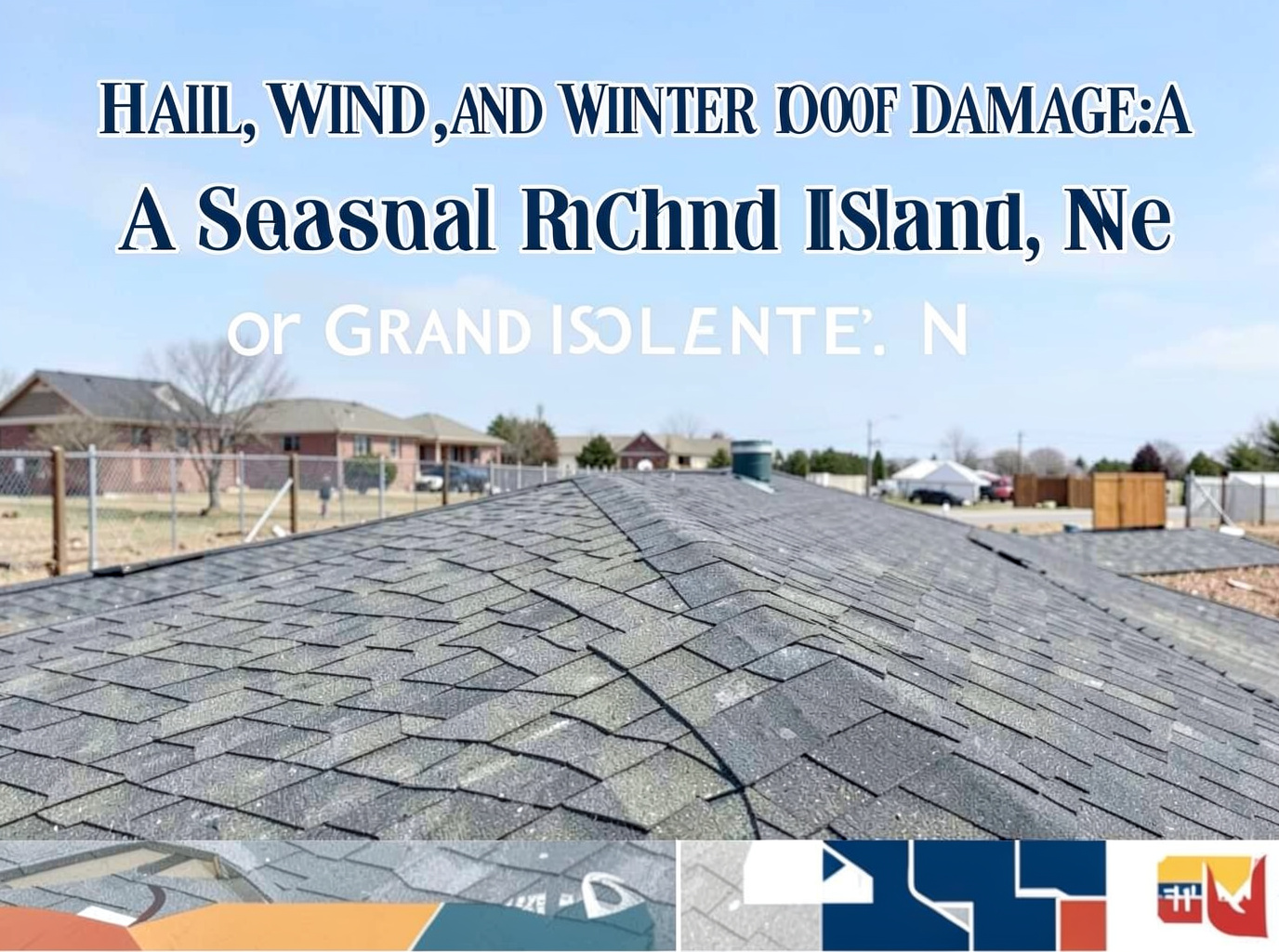
Grand Island roofs in Hall County typically need inspection after every major thunderstorm or winter freeze because hailstones, 60-plus mph winds, and ice dams create leaks within one season on asphalt shingles that are 8–12 years old.
Spring Hail and Wind Inspection Steps
After spring storms roll through from the southwest, walk the roof or hire a professional to check for granule loss on shingles and dented flashing around chimneys. In Downtown Grand Island older homes often have steeper pitches that shed hail but trap wind-driven rain under eaves. Look for cracked ridge caps and missing shingles near valleys where runoff concentrates. Document any dents larger than a quarter because insurance adjusters in Hall County use that size threshold. Schedule a full roof inspection after a storm if you notice daylight in the attic or water stains on ceilings.
Summer Thunderstorm and Tornado Prep
Hot summers in Grand Island bring frequent thunderstorms that drop large hail and gusts capable of lifting underlayment on homes near the Grand Island Regional Airport. Secure loose gutters and trim tree branches that overhang roofs in Northwest Grand Island before peak season. Check attic ventilation because trapped heat softens shingles and makes them more vulnerable to wind uplift. Metal roofing performs better in these conditions than asphalt because it resists denting and sheds water faster during heavy downpours.
Fall Preparation for Winter Freeze
Before temperatures drop, clear leaves and debris from valleys and around skylights to prevent ice dams that form along the north-facing slopes common in Hall County. Install or verify heat cables on homes in older Downtown blocks where poor attic insulation allows warm air to melt then refreeze snow. Inspect and reseal plumbing vent boots and chimney flashing because contraction from cold nights opens small gaps. Homeowners near Stuhr Museum often add extra insulation in the attic at this stage to reduce the temperature differential that drives ice dam formation.
Winter Damage Monitoring
During and after snow events, watch for sagging sections or icicles forming along eaves because these signal blocked drainage or insulation gaps. Avoid walking on snow-covered roofs; instead use binoculars from the ground to spot lifted shingles or exposed felt in wind-exposed areas like those near Island Oasis Water Park. If interior leaks appear, place buckets and note the exact location for later repair. Cold weather makes asphalt brittle, so any hail or wind damage from earlier storms becomes more visible as cracks widen.
When to Call for Professional Assessment
Contact a local roofing contractor for a roof inspection after a storm if you find more than a dozen damaged shingles or signs of water intrusion. Links to detailed guidance appear in related articles such as Emergency Roof Repairs: What to Do When Your Roof Leaks in Grand Island, NE and Metal Roofing vs. Asphalt Shingles for Nebraska Weather. For targeted fixes consider hail damage roof repair or wind damage roof repair services that address Hall County weather patterns directly. Early detection keeps repairs smaller and prevents interior damage during the next freeze cycle.